
Taking care of your teeth isn’t simply a matter of having a pretty smile, it’s a matter of taking care of your overall health. Researchers have found that without proper oral care, the likelihood of gum disease, tooth decay, bad breath, and even more serious conditions like heart disease and diabetes rises. For Dr. Habubu, the best way to avoid all of these problems before they occur is with an everyday oral care routine.
Flossing — The Gum Health Secret
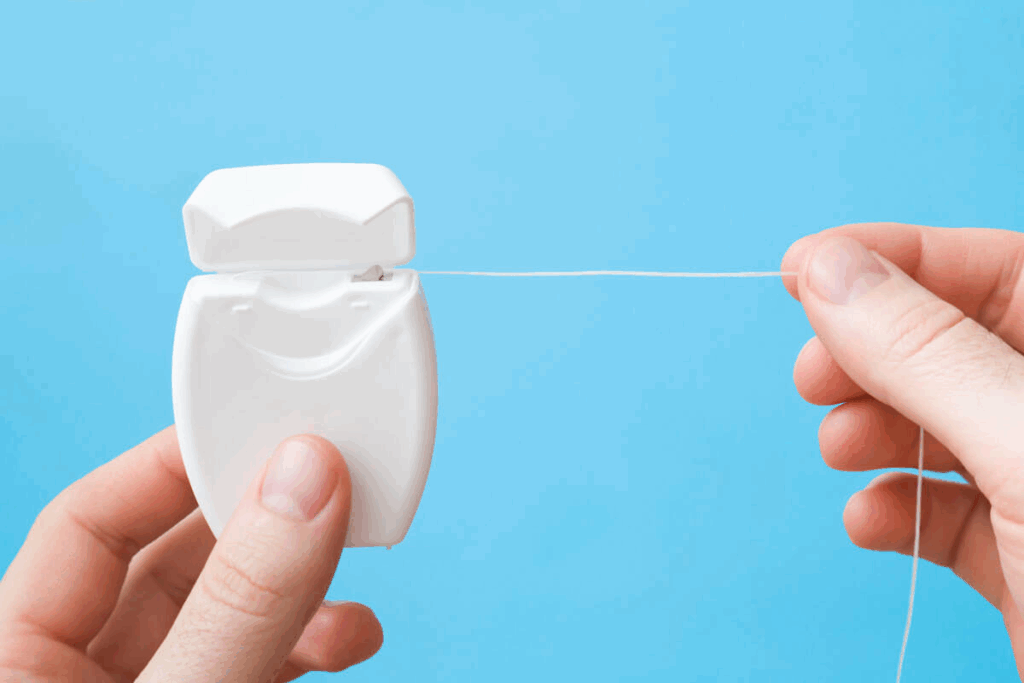
Toothbrushing by itself removes only approximately 60% of your tooth surface, leaving food and plaque between teeth. Flossing comes into action here. Floss once a day, ideally before going to bed, to dislodge the debris lodged under the gums. Carefully glide the floss between each tooth and shape the floss into a “C” around the tooth structure so that the sides are thoroughly cleaned.
Skipping flossing may seem harmless, but it can lead to gum inflammation, tooth decay between teeth, and chronic bad breath. For those new to flossing, start slowly and be gentle your gums will adapt with time, and you’ll soon notice fresher breath and healthier gums.
Water Flosser — A Gentle Boost for Sensitive Gums and Braces

Even though regular flossing is still a must, a water flosser is a great addition to your oral hygiene routine, particularly if you have braces, bridges, or sensitive gums. The powerful water stream picks up food particles and plaque that ordinary floss can’t. It reduces bleeding and gum irritation and leaves you with a clean and fresh mouth after meals.
Dentists also say that if you do use a water flosser, you might be able to reduce how often you string floss to once a week or so. It’s a good and gentle supplement that will keep gums healthy without irritating them.
Brushing with Fluoride Toothpaste — The Gold Standard for Oral Care
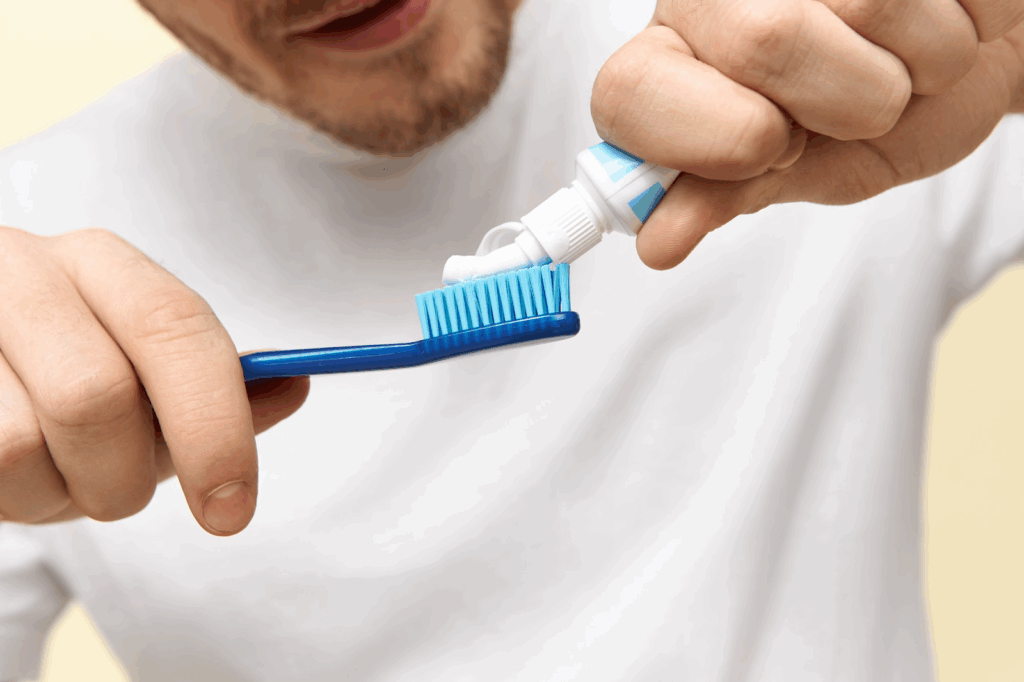
Brushing can be simple, but technique is as important as frequency. Utilize a fluoride toothpaste at all times because fluoride hardens and makes enamel more resistant to cavities. Employ a pea-sized amount in adults and rice-grain sized in children.
Place the toothbrush at a 45-degree angle against the gums and use soft circular motion for brushing the gumline to avoid harsh back-and-forth scrubbing action, which will erode enamel. Brush for two minutes at least, twice daily, to prevent plaque properly.
If you wear braces, bridges, or hard-to-clean wisdom teeth, brush tight spots with a single-tufted toothbrush. Brushing not only keeps your teeth clean, but it also keeps gums healthy and breath fresh.
Tongue Cleaning — The Often-Forgotten Step
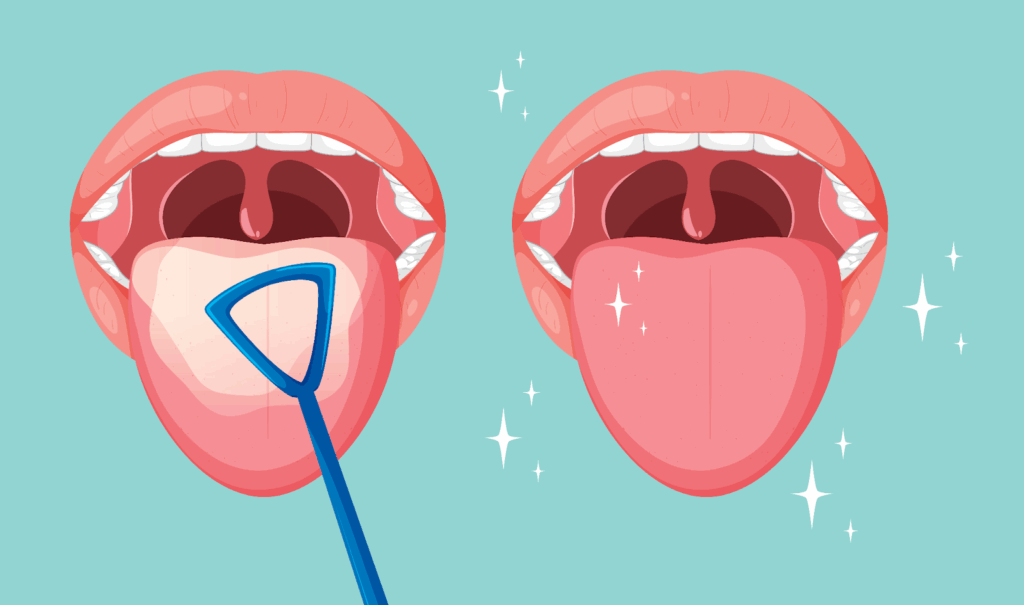
Even your regular brushing and flossing can’t stand a chance to get rid of bad breath if you neglect your tongue. The tongue’s surface contains bacteria, food particles, and dead cells that cause bad odor and plaque.
Scrape your tongue with a tongue scraper or the back of a toothbrush from back to front and rinse following every stroke. Adding this to your daily routine reduces bacteria counts, makes your entire mouth cleaner, and keeps your breath fresh longer.
Spit, Don’t Rinse — Let Fluoride Work Its Magic
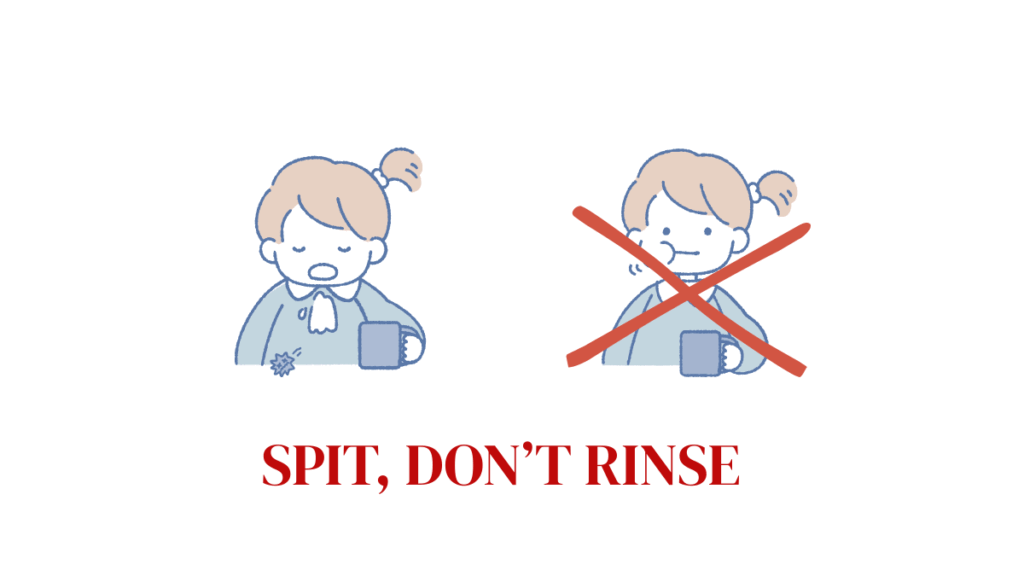
After brushing, most individuals tend to naturally spit out the water, but in doing so, they rinse out the fluoride before it can become effective. Dentists recommend simply spitting out any extra toothpaste and not rinsing at all. Leaving a thin amount of residue on your teeth will allow it to keep building enamel and protecting against cavities during the day or even overnight.
This tiny shift in your brushing routine really can make a huge impact on the long-term performance of your daily oral care regimen.
Additional Daily Tips for Improved Oral Health
For optimum performance, change your toothbrush every three months or sooner if the bristles become frayed. Drink plenty of water during the day to balance out acids and remove food pieces. Cut down on sweets and soft drinks, which eat away at enamel and lead to tooth rot. And most importantly, see your dentist every six months for an examination and a cleaning.
FAQ: Daily Oral Care Routine 2025
1. How often should I brush my teeth during the day?
Twice daily morning and before bed is what doctors advise. It removes the plaque that has built up overnight and keeps bacteria from growing when you sleep. More than three times a day is unnecessary and, brushed too aggressively, can cause enamel loss.
2. Must I use mouthwash if I brush and floss daily?
Mouthwash is not required but can be beneficial. A fluoride or antibacterial mouthwash can reduce plaque, strengthen enamel, and provide a fresh breath. But it should not be substituted for brushing or flossing. Use it after brushing if your dentist recommends it, and do not rinse with water immediately to let the fluoride stay in longer.
3. Manual or electric toothbrush: which is better?
Both can work if utilized appropriately. Electric toothbrushes will remove plaque better with even movement and turning off automatically after a time limit. Manual brushes are no different when brush is utilized well with right technique and for the entire two minutes.
4. Why is my breath still bad after brushing?
Persistent bad breath may be due to bacteria on your tongue, gum disease, dry mouth, or a specific food. Make sure you’re brushing your tongue daily, staying hydrated, and visiting your dentist if the problem continues because it could be a sign of something else.
5. How often should I replace my toothbrush?
Replace your toothbrush or brush head every three months, or more frequently if the bristles get worn. A dull toothbrush won’t clean effectively and might even hurt your gums.
Conclusion
A healthy smile doesn’t depend on expensive treatments,it starts with simple, consistent habits. By following a complete daily oral care routine that includes flossing, brushing with fluoride toothpaste, cleaning your tongue, and skipping the rinse, you’re giving your teeth and gums the protection they need to stay healthy for years to come.
Small habits today can avoid big teeth issues tomorrow. Consider your mouth each day, and your smile will repay you with self-confidence, freshness, and well-being for a lifetime.
Credit: Dr. Habubu
#OralCareTips #DailyOralCare #HealthyTeeth #DentistApproved #Flossing #FluorideToothpaste #TongueScraper #DentalHygiene